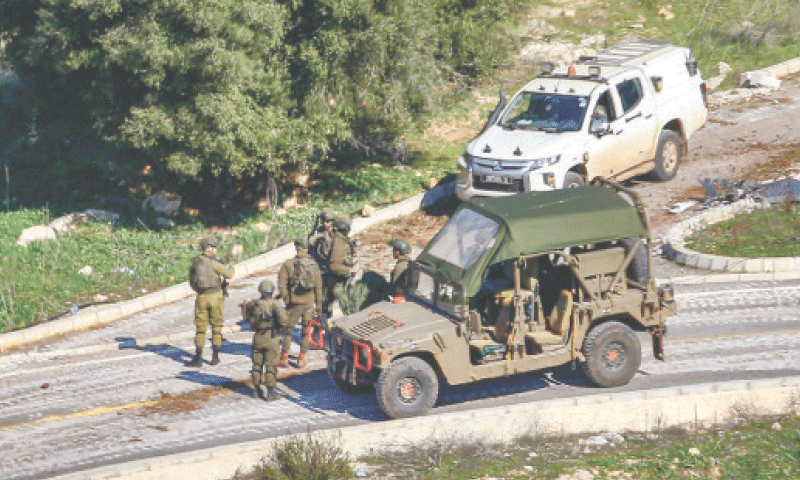
Lebanois army officials have accused Israel of obstructing the full deployment of military forces in southern Lebanon, citing continued Israeli attacks as a major hindrance. The army stated that these attacks prevent the return of residents to their villages and towns, undermining the agreement that was supposed to facilitate the deployment (dawn.com). The situation highlights the ongoing tensions between Israel and Lebanon, with the latter struggling to regain control of its southern regions.
The Israeli military has been accused of conducting strikes that disrupt the Lebanese army’s efforts to establish a secure presence. This has raised concerns among local residents who remain displaced due to the conflict. Meanwhile, the Israeli government continues its military operations, with reports of increased activity in the region. The situation remains volatile, with both sides accusing each other of escalating hostilities.
In a separate development, former military chief Gadi Eisenkot has emerged as a key rival to Prime Minister Benjamin Netanyahu in the upcoming Israeli general election. The election is seen as a test of public support for Netanyahu’s leadership amid the ongoing conflict with Hamas and other militant groups (timesofisrael.com). The political landscape is shifting, with Eisenkot’s candidacy signaling a potential challenge to Netanyahu’s long-standing influence.
The conflict in Lebanon continues to have significant political and humanitarian consequences, with both sides facing mounting pressure to de-escalate tensions.