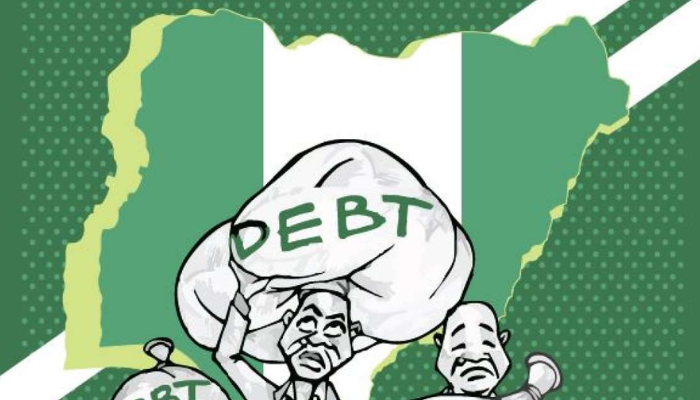
Nigeria faces growing concerns over its debt accumulation and fiscal sustainability, with experts questioning the long-term viability of its current borrowing strategy. The country's increasing debt levels are attributed to persistent fiscal deficits, currency depreciation, and low tax revenue collection, according to a recent analysis. These factors are undermining the government's ability to invest in public services and infrastructure, which are critical for inclusive economic growth.
The report highlights that Nigeria's reliance on external borrowing has reached unsustainable levels, raising alarms about the country's financial stability. With limited fiscal space, the government struggles to balance debt servicing with development priorities. This situation is further complicated by the depreciation of the naira, which has eroded the value of foreign reserves and increased the cost of imports.
Experts warn that without structural reforms to improve revenue mobilization and fiscal discipline, Nigeria risks falling deeper into a cycle of debt dependency. The challenge now is to find a sustainable path that supports both economic growth and social development without compromising financial stability. (businessday.ng)