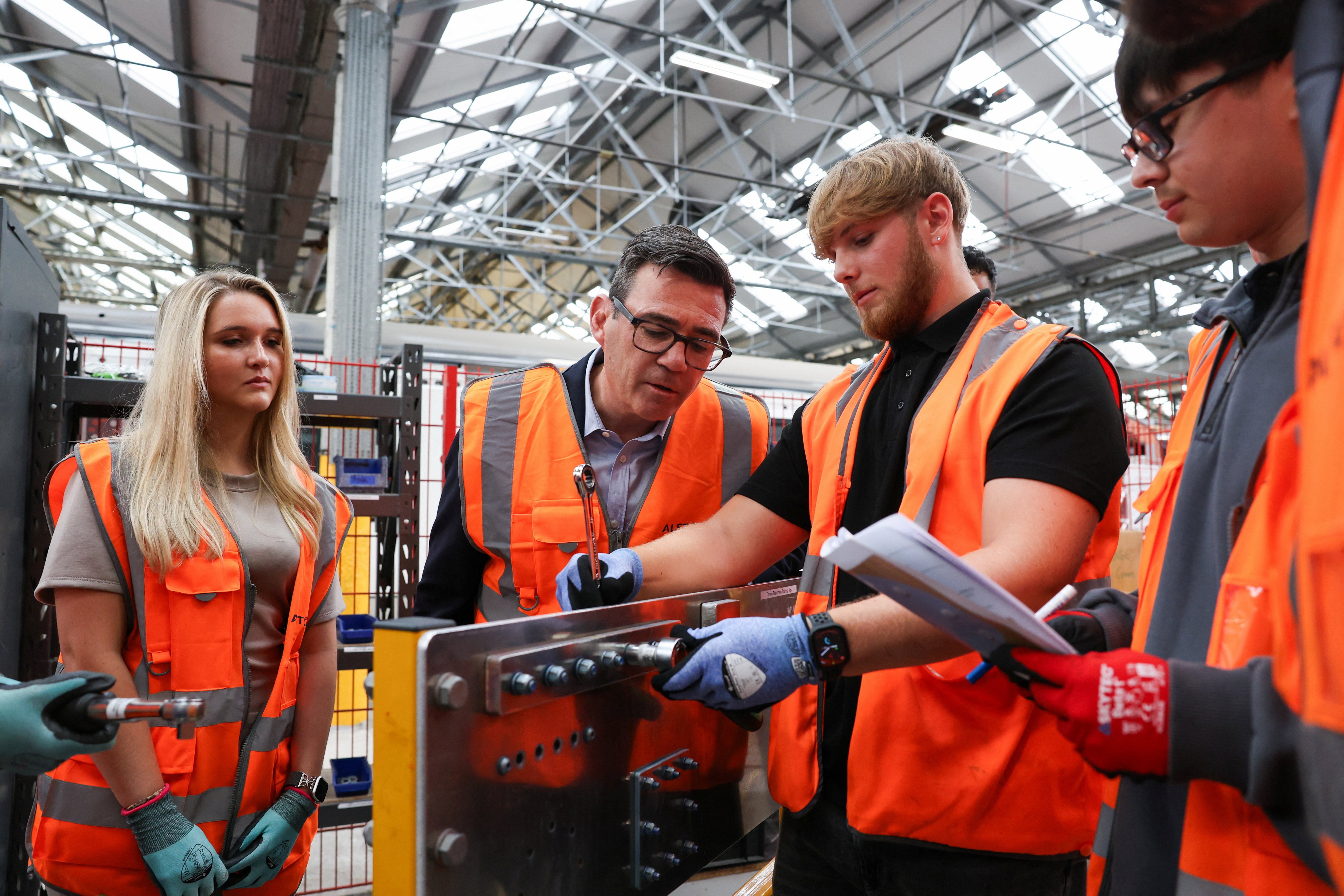
Andy Burnham, the newly appointed Prime Minister of Britain, has introduced a bold plan to overhaul the education system, aiming to provide students with a "real" education that diverges from the previous New Labour focus on university attendance. The proposal marks a significant shift in educational policy, emphasizing practical skills and vocational training over traditional academic pathways. Children as young as 14 could see changes in their learning experiences, with an emphasis on preparing them for the workforce rather than solely for higher education (gbnews.com).
Burnham’s approach has drawn mixed reactions, with some praising the move as a necessary step toward modernizing Britain’s education system. Others, however, remain skeptical about the potential impact on students’ future opportunities. The plan also raises questions about how it will be implemented and what role universities will play in the new framework. As the government moves forward, it will be crucial to balance innovation with the need for comprehensive and equitable education for all young people.
The reform comes at a time when Britain is facing increasing pressure to adapt its education system to the demands of a rapidly changing job market. With technological advancements and global economic shifts, the need for a more flexible and skills-based approach has never been more urgent. Burnham’s vision could set a new precedent for education in the UK, but its success will depend on careful planning and public support.