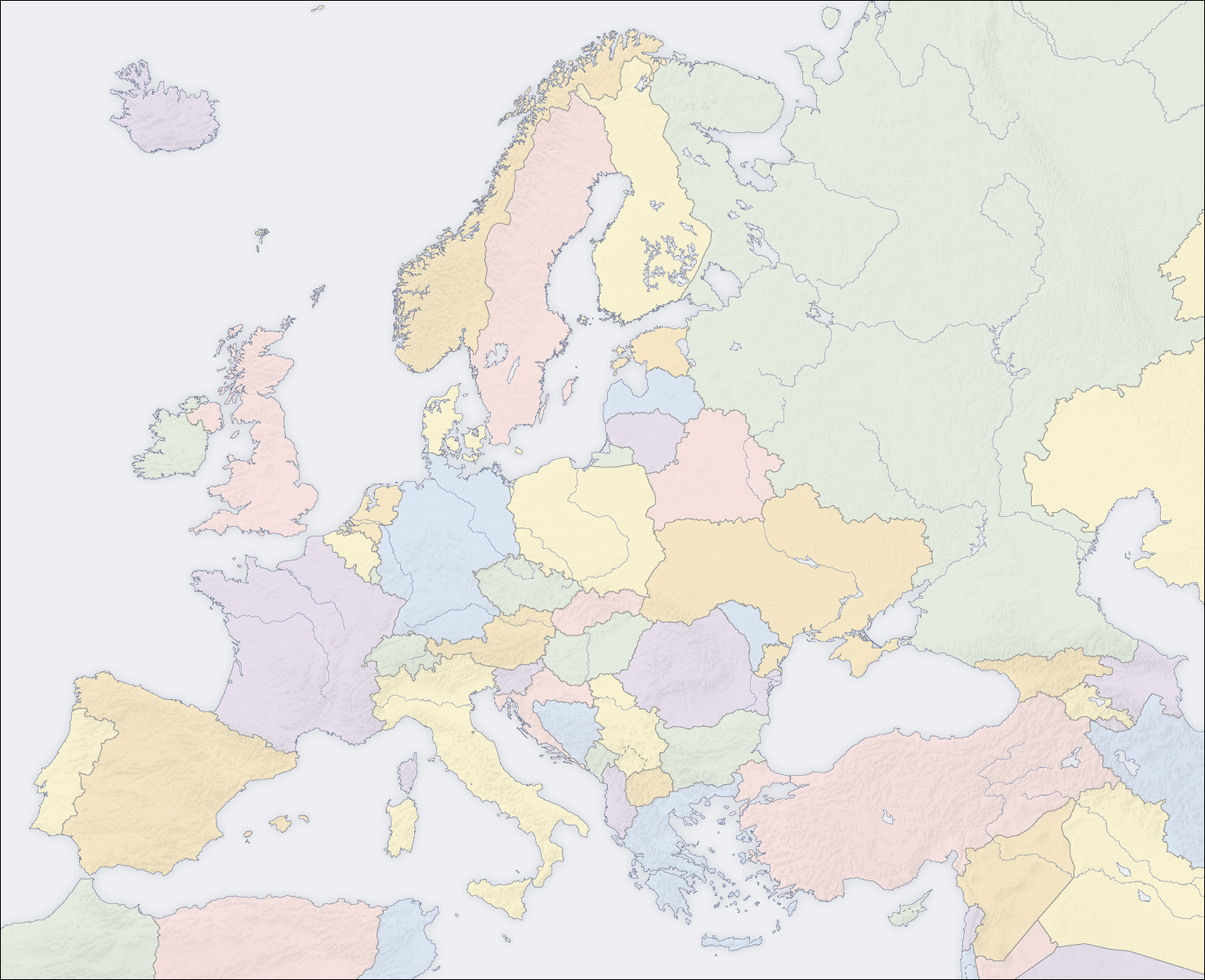
Italy and Spain are locked in a escalating border dispute that could disrupt travel agreements across Europe, according to recent reports. The conflict centers on border controls near the Spanish enclave of Ceuta, where Italy has imposed restrictions on travelers, citing a migrant influx. Spain has threatened to impose its own restrictions unless Italy lifts the controls, creating uncertainty for thousands of travelers moving between the two countries (dawn.com).
The disagreement has raised concerns about the stability of the Schengen Agreement, which allows free movement across much of Europe. Italy has suspended Schengen rules for non-EU citizens, a move that Spain opposes. Italian officials have rejected Spanish demands, calling them “ultimatums or impositions,” and vowed to maintain the border controls (dawn.com). This standoff could lead to longer processing times and increased bureaucratic hurdles for travelers, particularly those from non-EU countries.
The situation has also sparked worries among European authorities about the potential erosion of trust between member states. The dispute highlights the growing tensions over migration management and national sovereignty within the EU. While the immediate impact is felt by travelers, the broader implications could affect the cohesion of European travel policies in the long term.