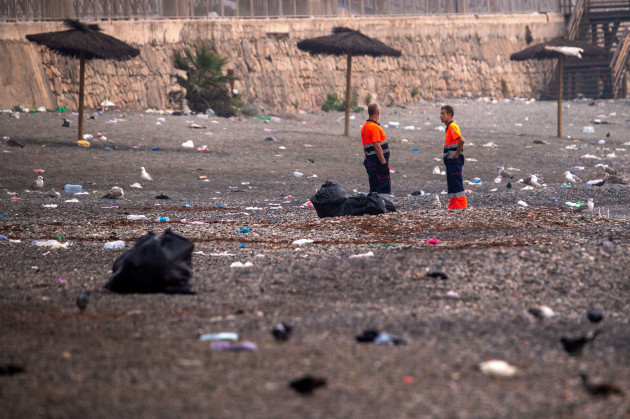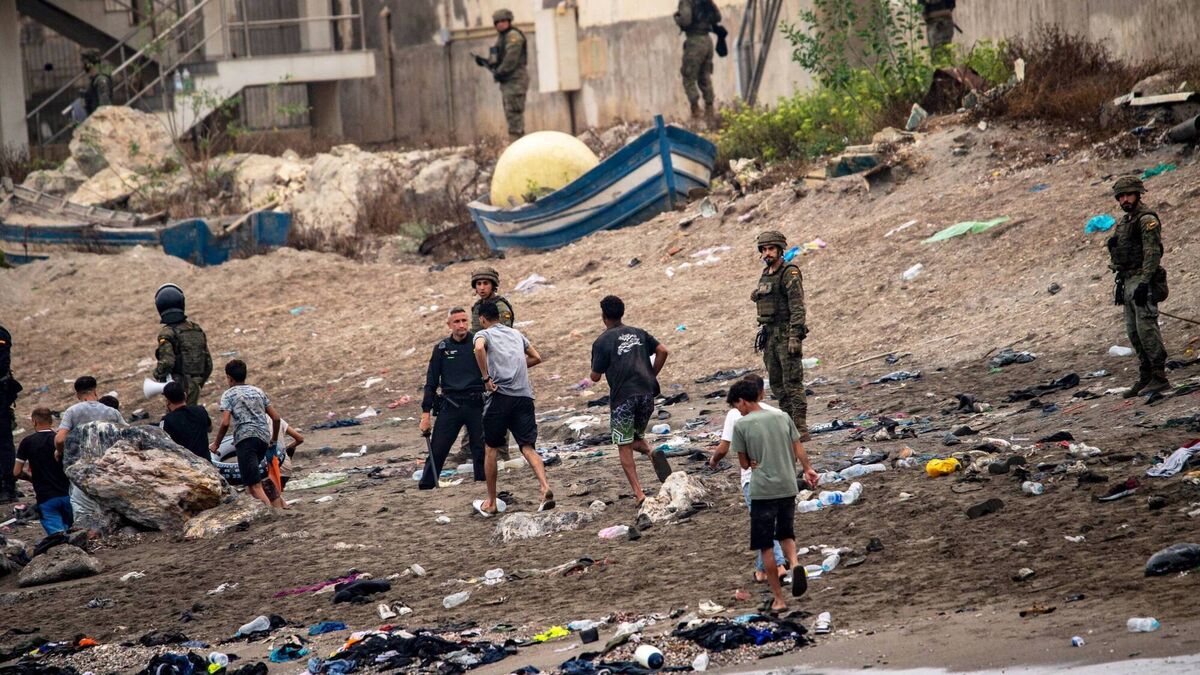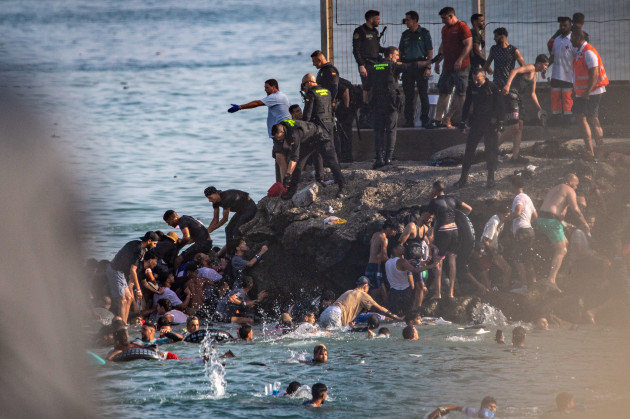
Around 60,000 migrants crossed from Morocco into Spain’s North African enclave of Ceuta within 24 hours, overwhelming local authorities and triggering a border crisis. The sudden influx, described as an “absolute chaos,” led to thousands of migrants sleeping in parks and on pavements without shelter. Spanish Prime Minister Pedro Sanchez called the breach an “attack on Spain’s territorial integrity,” emphasizing the severity of the situation.
The border breach exposed vulnerabilities in Spain’s control over Ceuta, a small territory with a population of 80,000. Migrants, including unaccompanied children, flooded the area after the border was temporarily opened, leading to a humanitarian emergency. Authorities reported expelling 150 people per minute, with over 25,000 migrants sent back to Morocco. The crisis has raised concerns about the stability of Spain’s borders and the broader implications for the European Union.
The situation in Ceuta has drawn comparisons to the Channel crossing in the UK, with some analysts warning of similar challenges ahead. The rapid movement of people has strained local resources and highlighted the need for coordinated responses. As the situation continues to evolve, the Spanish government faces pressure to address both the immediate humanitarian needs and the long-term security of its borders.