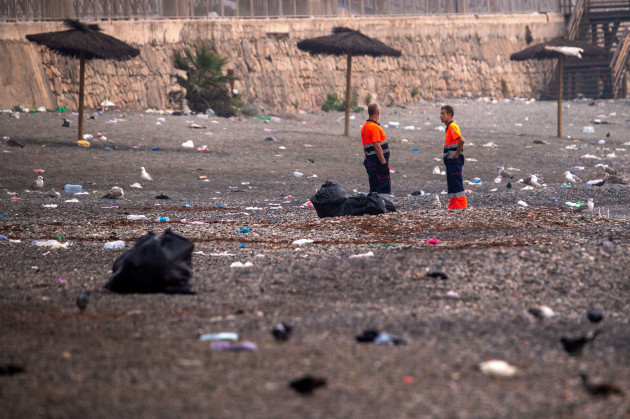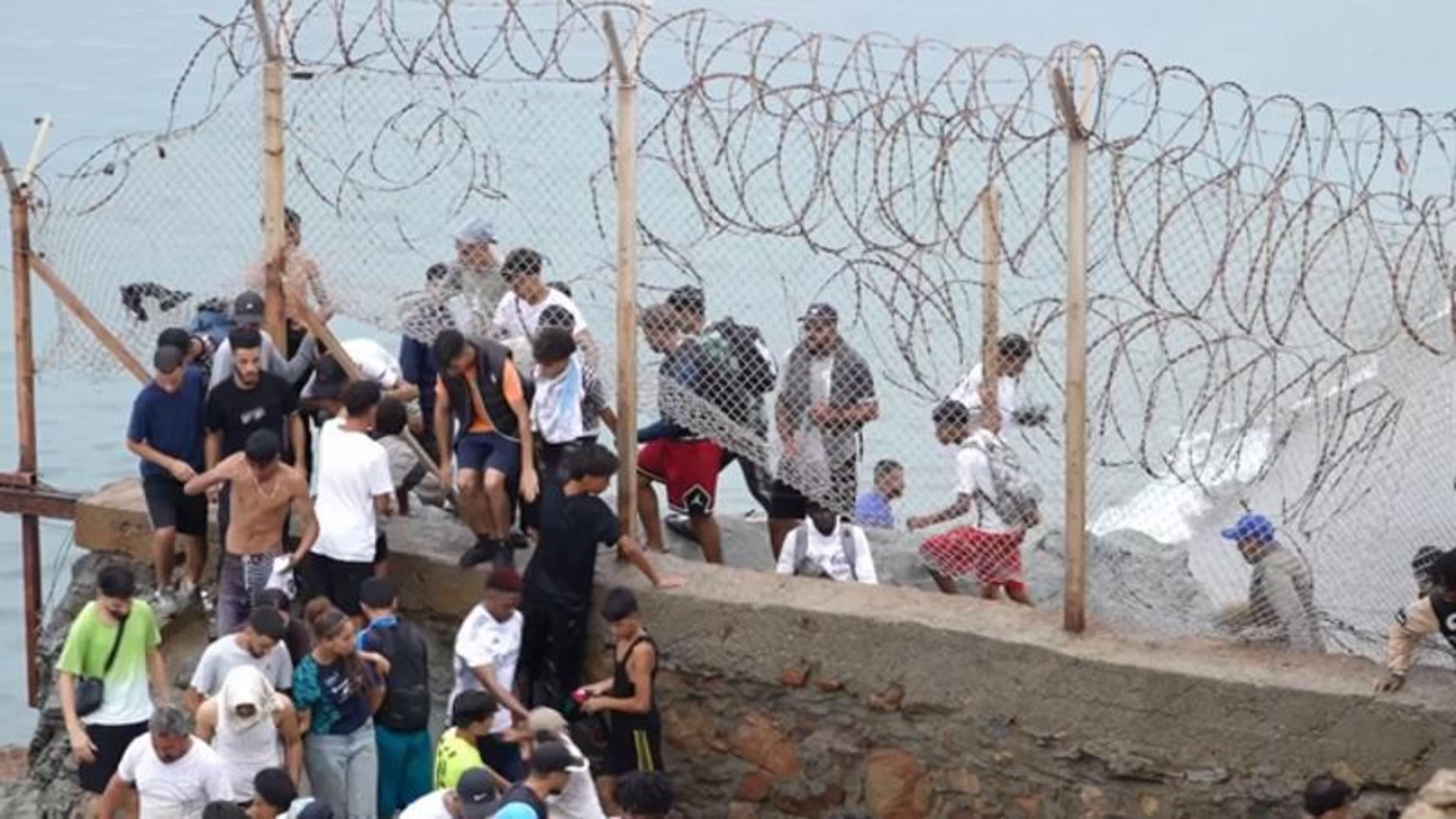
Thousands of migrants crossed into the Spanish territory of Ceuta from Morocco on July 30, 2026, sparking a crisis that has led to increased border controls and political tensions within the European Union. According to reports, over 60,000 people entered the enclave in a single day, overwhelming local authorities and prompting emergency measures (independent.ie). The influx has raised concerns among EU leaders, with Ireland’s Justice Minister Jim O’Callaghan requesting a meeting of EU ambassadors to address the situation (independent.ie).
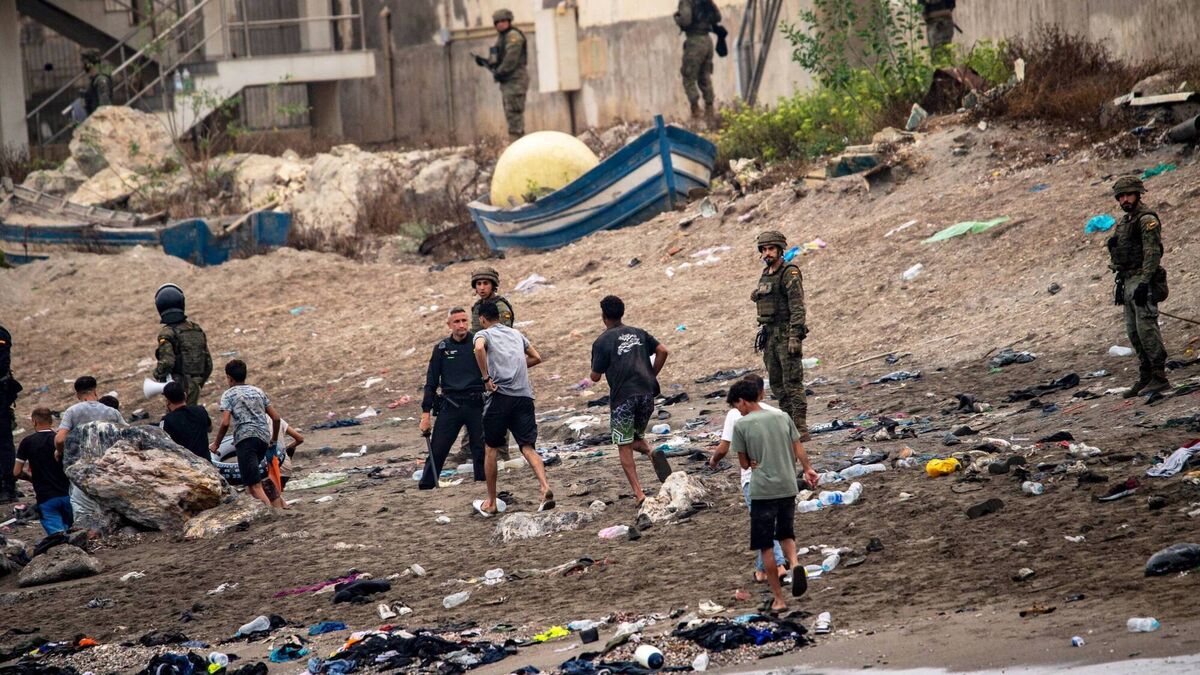
Spain responded by deploying military units to reinforce police in Ceuta, as migrants arrived on flotation devices and pushed past overwhelmed officers. Video footage showed chaotic scenes at the border, with migrants attempting to cross by sea and breaching border barriers (nypost.com). The Italian government also imposed border checks with Spain, temporarily suspending the Schengen agreement, which allows free movement between EU countries (thehill.com).
Authorities reported that most of the migrants returned to Morocco voluntarily, with estimates suggesting around 48,300 had returned by Friday (ca.news.yahoo.com). Despite this, the crisis has fueled political debate, with some analysts suggesting it has shifted European political discourse toward more restrictive immigration policies (theage.com.au).