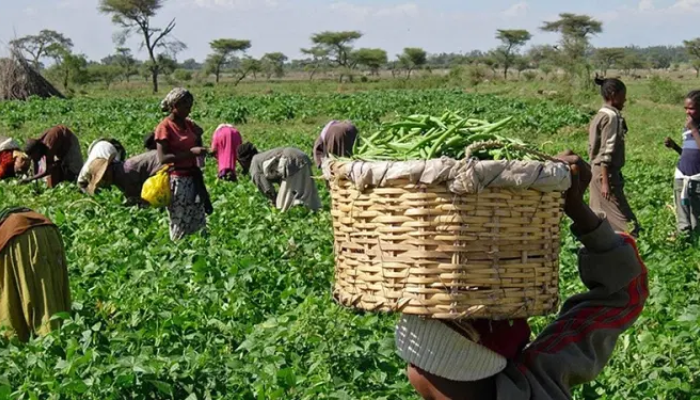
Nigeria’s agricultural trade has returned to surplus after six months of deficit, according to a report by BusinessDay. The country’s agricultural exports exceeded imports for the first time in months, signaling a potential shift in the sector’s economic performance. This development comes amid ongoing efforts by the government and private stakeholders to boost agricultural productivity and competitiveness.
The return to surplus was partly attributed to improved export volumes and a reduction in import dependency, as highlighted by the Farmers’ Coalition. The coalition praised the National Directorate of Employment and Development (NDDC) for its $500 million agricultural development fund, which has supported smallholder farmers and improved infrastructure. This funding has played a key role in enhancing local production and market access.
Meanwhile, Ngozi Okonjo-Iweala, Director-General of the World Trade Organization, has emphasized the need for better maintenance practices to support Nigeria’s economic growth. While her comments focused on infrastructure and industrial development, they underscore the broader challenges facing the country’s economic diversification. The agricultural sector’s recent success highlights the potential for growth, but sustained investment and policy support will be crucial for long-term stability.