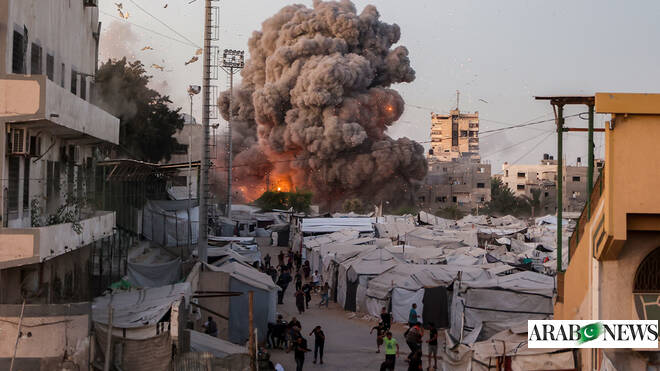
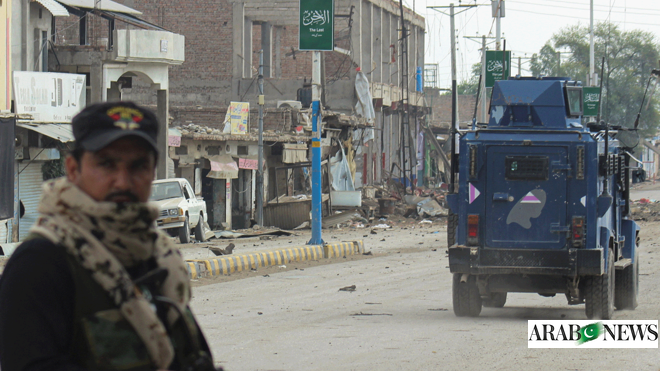
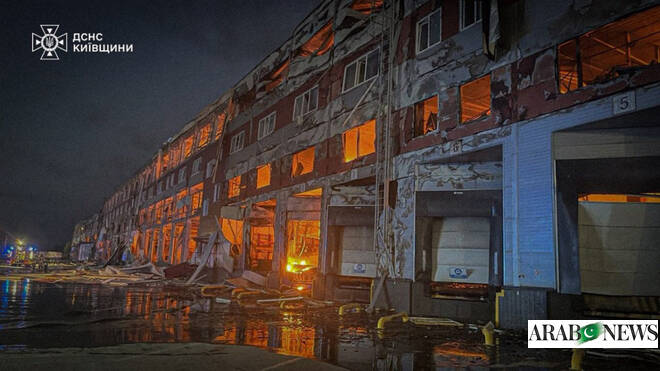
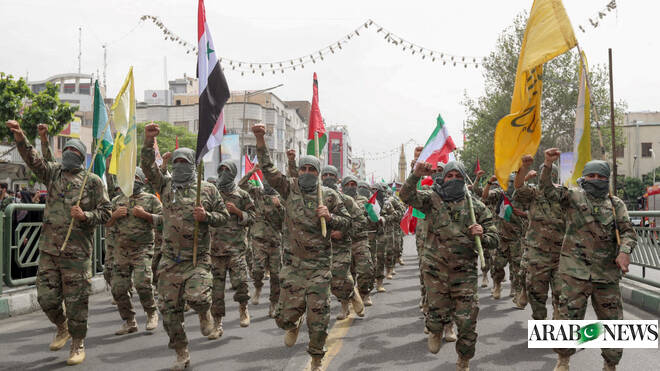
A US-brokered initiative to establish "pilot zones" in southern Lebanon, aimed at gradually withdrawing Israeli forces in exchange for Hezbollah disarmament, has encountered significant challenges, according to local reports. The first such zone, Zawtar al-Gharbieh, has seen only a limited return of residents, with many still hesitant to reoccupy their homes due to ongoing security concerns and the destruction left by recent hostilities (arabnews.pk).
Despite the agreement, tensions between Israel and Hezbollah remain high. Israeli forces accused Hezbollah of violating a truce by launching a drone attack in the buffer zone near the border, prompting the Israeli military to condemn the act as a "blatant violation" (thehindu.com). The incident has raised questions about the stability of the region and the effectiveness of the pilot zones as a long-term solution.
Meanwhile, the humanitarian impact of the conflict continues to be felt. At least 135 healthcare workers in Lebanon have been killed by Israeli bombardments since March, highlighting the broader consequences of the war on civilian life (theguardian.com). In Zawtar al-Gharbieh, some families have begun returning to their homes, though the process remains slow and uncertain (ca.news.yahoo.com).
The situation underscores the complex and fragile nature of the peace efforts, with security concerns and ongoing hostilities complicating the implementation of the pilot zones. As talks continue, the success of the initiative remains uncertain.