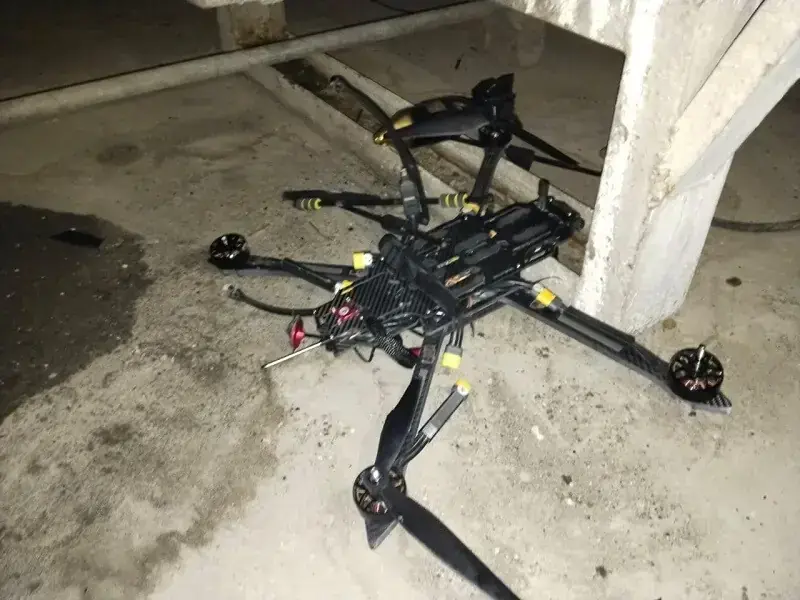
Iran has rejected U.S. President Donald Trump's proposal to freeze funds related to the Strait of Hormuz, warning that ships transiting the strategic waterway could face restrictions. The move comes amid heightened tensions in the region, with Iran threatening to block passage through the strait if its demands are not met. The warning follows reports that Saudi Arabia has intercepted drones in the area, raising concerns about regional security (aljazeera.com).
The U.S. plan, which was part of broader efforts to address Iran's influence in the region, has been dismissed by Tehran as an attempt to undermine its sovereignty. Iran has also rejected a proposal from Oman to share control of the Strait of Hormuz, insisting on greater authority over the area. This stance reflects Iran's growing assertiveness in regional affairs and its resistance to external pressures (news.google.com).
The situation has escalated as Iran has warned of "any action" to maintain its control over the strait, a critical chokepoint for global oil trade. The U.S. and its allies are closely monitoring developments, as any disruption could have significant economic and geopolitical consequences. The standoff underscores the deepening tensions between Iran and Western powers in the Persian Gulf.






.jpg)