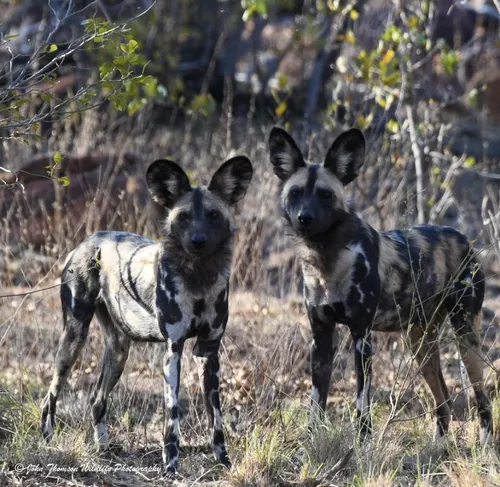
A conservation operation in the Waterberg region of South Africa has brought together scientists, veterinarians, and wildlife experts to study one of Africa’s most endangered predators. The team focused on a member of the Mokolo Area Pack, aiming to collar the animal and gather critical data on its survival. This effort highlights the growing interest in protecting the elusive and rarely seen "ghost dogs," a term used to describe the African wild dog, which faces significant threats in the wild.
The operation involved careful planning and collaboration between conservation groups and local authorities to ensure the safety of both the animals and the researchers. By tracking and collaring a member of the pack, the team hopes to better understand the species’ behavior, movement patterns, and the challenges it faces in its natural habitat. Such data is essential for developing effective conservation strategies.
The African wild dog, known for its distinctive coat and social structure, is classified as endangered due to habitat loss, human conflict, and disease. The Mokolo Area Pack, located in the Waterberg Biosphere Reserve, is one of the few remaining populations of this species in the region. The success of this operation could provide valuable insights into the survival of the pack and contribute to broader conservation efforts across Africa. (iol.co.za)