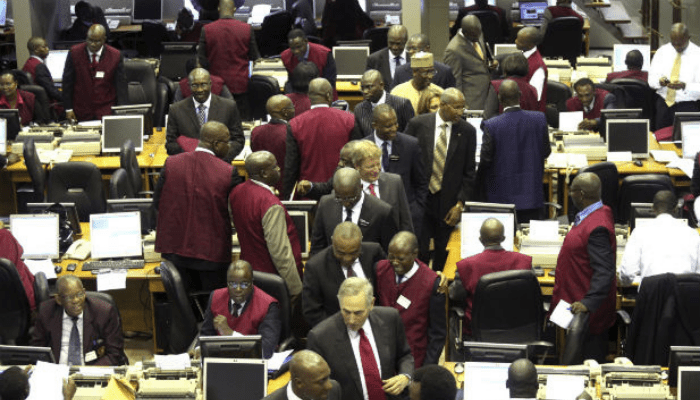
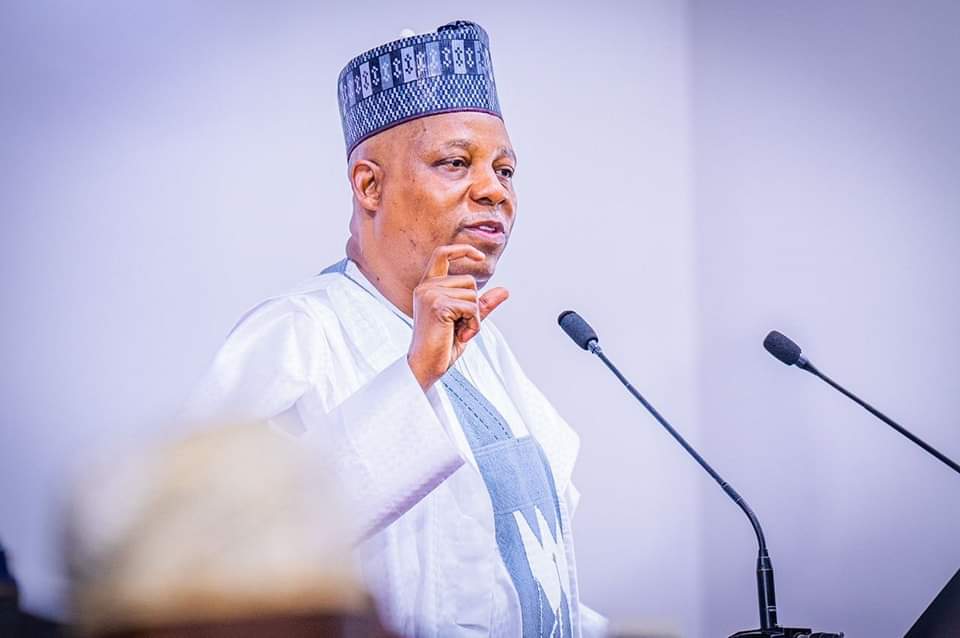
Nigeria’s public debt has become a focal point of economic discussion, with officials and analysts questioning whether the country’s fiscal struggles stem from weak revenue generation or excessive debt accumulation. According to the Debt Management Office (DMO), total public debt—encompassing the federal government, 36 states, and the Federal Capital Territory—has reached concerning levels, raising concerns about sustainability and growth (businessday.ng). The debate highlights the need for clearer fiscal policies to address both revenue shortfalls and debt management.
While the debt issue dominates current economic discourse, other sectors are also facing challenges. Telecom operators in Nigeria are calling for stronger government support and policy frameworks to protect their infrastructure, which has been crucial in driving the country’s digital growth. These companies argue that without enhanced protection, their ability to sustain innovation and service delivery could be compromised (vanguardngr.com).
Meanwhile, on the sports front, Nigeria’s women’s national football team, the Super Falcons, suffered a historic defeat at the CAF Women’s Africa Cup of Nations (WAFCON). Malawi ended Nigeria’s unbeaten streak against debutant teams in the competition, marking a significant moment in the tournament’s history (dailypost.ng).