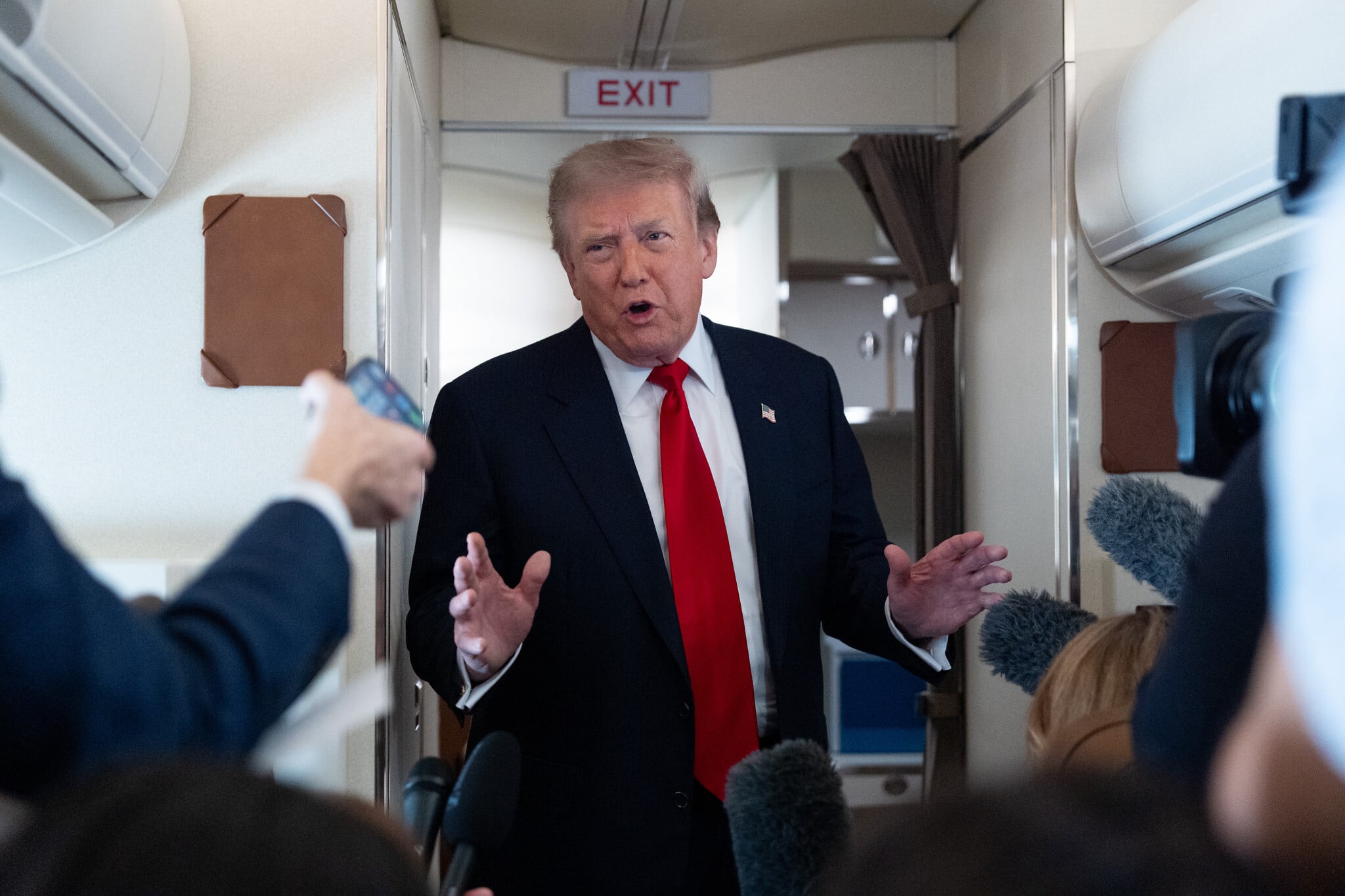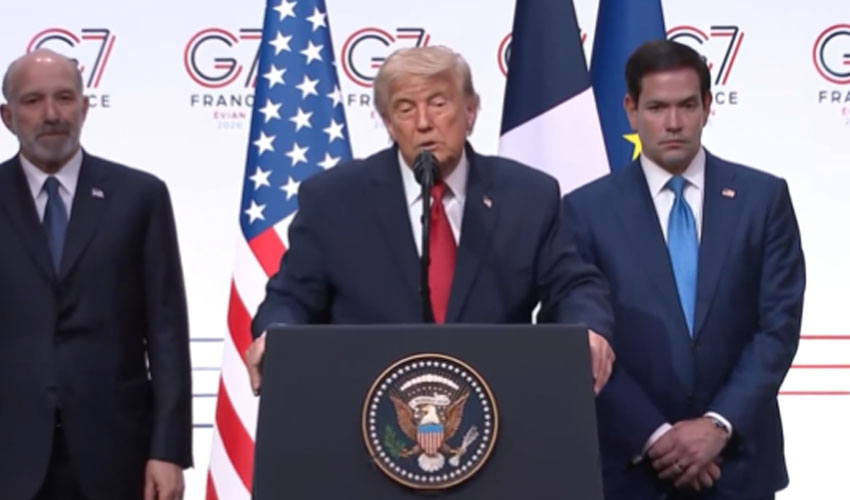
Donald Trump has warned that the United States could destroy major Iranian bridges within one to two hours, signaling a heightened risk of military escalation in the region (samaa.tv). This statement comes amid growing tensions between the U.S., Israel, and Iran, with the conflict showing no signs of de-escalation. Recent developments have further complicated the situation, including a Ukrainian strike on an Iranian ship in the Caspian Sea and Kuwait’s first direct response to Iranian attacks (iol.co.za).
The U.S. has also reportedly scaled back its military strikes against Iranian targets, a move that has raised concerns about the stability of the region. Meanwhile, Israeli Prime Minister Benjamin Netanyahu is set to meet with Trump for the first time since the Iran war began, offering an opportunity to reassess their strategic coordination (winnipegfreepress.com). These developments underscore the evolving nature of the conflict, with multiple actors now involved in a broader regional confrontation.
As the situation continues to unfold, the potential for further escalation remains a key concern. The U.S. and its allies are under pressure to balance deterrence with diplomacy, while Iran and its allies are increasingly prepared to respond with force. The coming weeks will likely determine whether the conflict moves toward a more open confrontation or if diplomatic channels can yet be re-established.