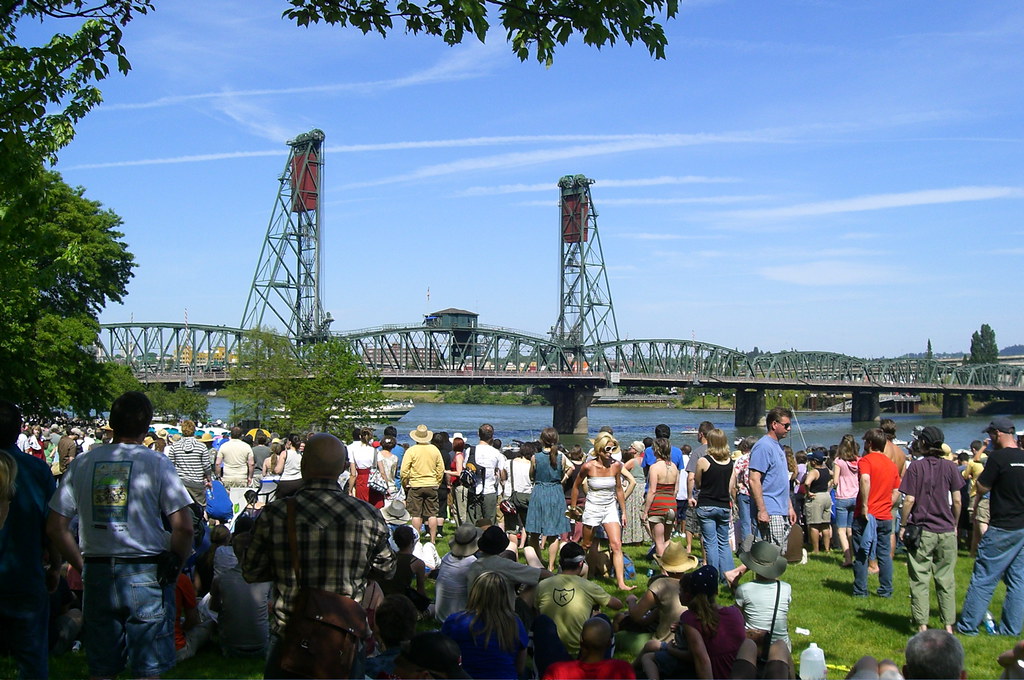
Demonstrators across Germany have taken to the streets in large numbers to protest against the far-right Alternative for Germany (AfD) party, which has seen a significant rise in support. The protests, organized in multiple cities, reflect growing public concern over the party's political stance and its perceived threat to democratic values. Participants waved signs and chanted slogans, demanding greater accountability and transparency from political leaders.
The AfD's recent electoral success has sparked widespread debate about the future of Germany's political landscape. While the party has gained traction among certain voter groups, its policies have drawn criticism from mainstream political parties and civil society organizations. Protesters argue that the AfD's rhetoric promotes division and undermines social cohesion.
Authorities have reported a high turnout at the demonstrations, with some estimates suggesting tens of thousands of participants. The events highlight the deepening political tensions in the country and the increasing role of grassroots activism in shaping public discourse. As the political climate continues to evolve, the response to the AfD's rise remains a key focus for both political leaders and citizens.