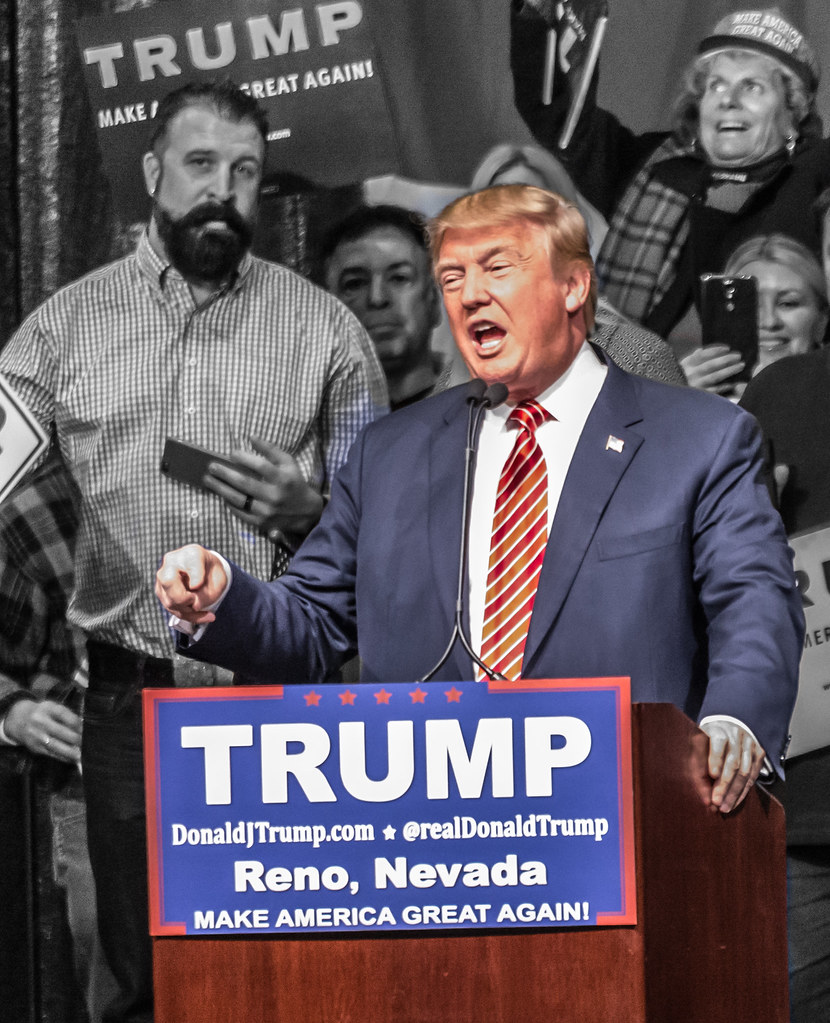
President Donald Trump's executive order to rename Lake Ontario as "Lake America" has drawn criticism from Indigenous leaders, who argue the move undermines historical agreements. The Seneca Nation, a Native American tribe, condemned the renaming as "starkly un-presidential" and a violation of the Treaty of Canandaigua, which they say guarantees the lake's original name. The tribe's leader, J. Conrad Seneca, called the decision "the exact opposite of diplomacy," emphasizing that the lake's name should not be subject to political change.
Meanwhile, Ontario's Premier Doug Ford responded by erecting a sign near the lake, reminding visitors that it has always been known as Lake Ontario. Ford's message, posted on X, highlighted the lake's long-standing name and its historical significance. The controversy reflects broader tensions over Indigenous sovereignty and the use of executive power to alter cultural and historical landmarks.
The debate has intensified as Indigenous groups stress that renaming the lake disregards their ancestral rights and treaties. Legal experts are also scrutinizing the move, noting that such changes could have implications for Indigenous land claims and historical recognition. As the situation unfolds, the focus remains on whether the renaming aligns with legal and cultural obligations.