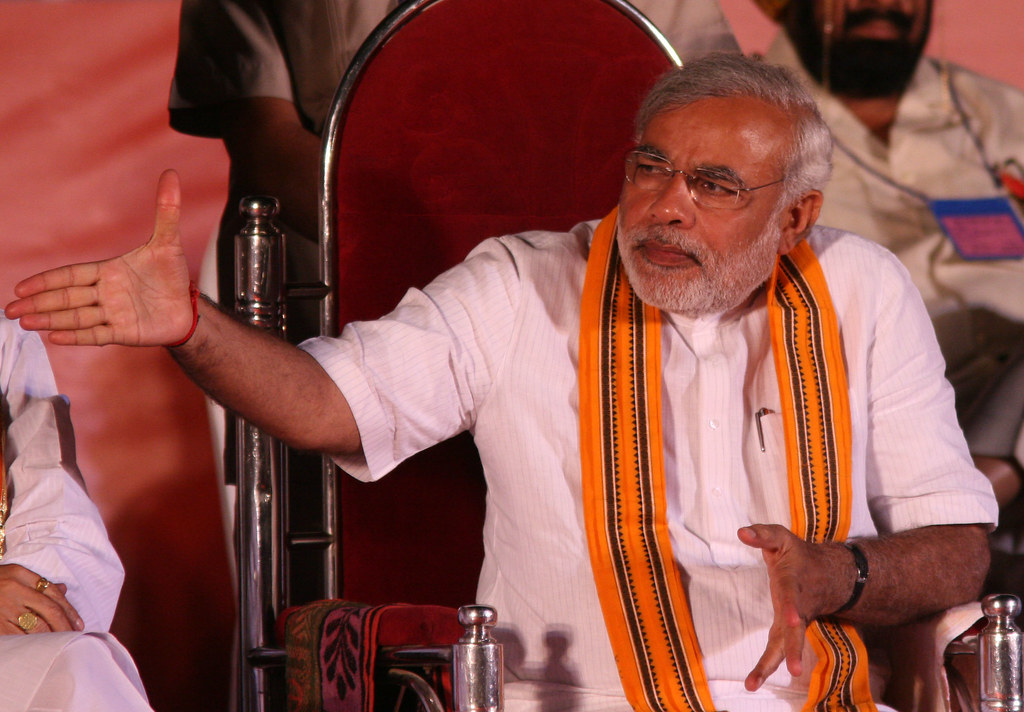
A BJP MP in India has sparked controversy by defending the blending of ethanol into petrol, during a public debate on energy policy. Janardan Mishra, a member of parliament for the ruling Bharatiya Janata Party (BJP), argued that India’s heavy reliance on imported oil—around 80% of its supply—necessitates alternative fuels like ethanol. He cited Brazil’s successful use of ethanol-blended fuel as a model for India, suggesting that such measures could reduce dependence on foreign oil (thehindu.com).
Mishra’s remarks, however, drew criticism for their tone, with some accusing him of using provocative language that alienated the public. The debate highlights growing tensions around energy policy and the role of alternative fuels in India’s economic and environmental strategy. While the BJP has promoted ethanol blending as part of its broader energy reform agenda, the controversy underscores the challenges of balancing national interests with public perception (thehindu.com).
Meanwhile, the party faces internal and external pressures from younger generations who are increasingly critical of its political approach. Some Gen Z supporters, particularly those from families with strong BJP ties, are challenging traditional political norms, demanding more progressive policies and rejecting the party’s rhetoric on nationalism and social division (aljazeera.com). These dynamics reflect broader societal shifts in India’s political landscape.