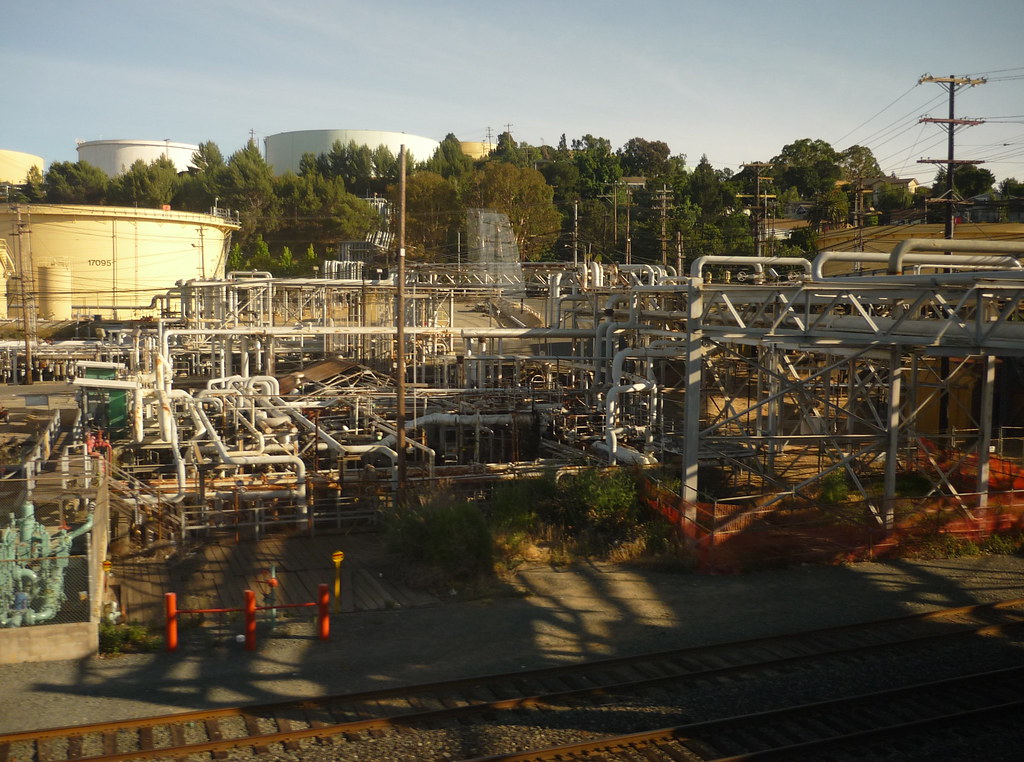
Nigeria has maintained its OPEC production quota for a third straight month in July 2026, according to recent data. The country met and slightly exceeded its target, showing a consistent performance in oil output. This follows a pattern of reliability in meeting international commitments.
Despite this consistency, structural gaps remain within Nigeria’s oil sector. Reports indicate that infrastructure limitations and operational inefficiencies continue to affect production capacity. Experts note that while output meets quotas, the underlying issues of underinvestment and outdated technology persist.
The OPEC data highlights both progress and ongoing challenges. While Nigeria’s contribution to global oil supply remains steady, the country’s ability to sustain this output in the long term is questioned. Analysts suggest that without significant investment in infrastructure and technology, the current trajectory may not be sustainable.
The situation underscores the complex relationship between production targets and the broader economic health of the nation. As Nigeria continues to navigate these challenges, the focus remains on how to balance short-term compliance with long-term development.