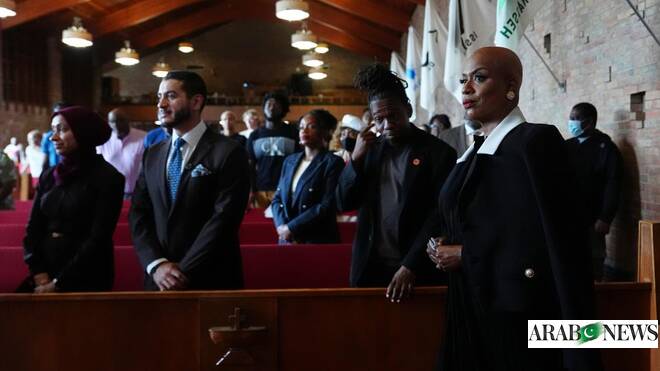
Abdul El-Sayed and Rep. Haley Stevens are both campaigning hard for the Democratic Senate nomination in Michigan, focusing on Black churches and union halls. El-Sayed, a progressive doctor and former Detroit mayor, made his case in a packed Detroit church, standing before supporters to ask for their votes. Similarly, Stevens, a long-time representative, was also appealing to voters at another Black church, with a prominent pastor supporting her bid (arabnews.pk). The race has drawn attention for its ideological divide, with voters weighing between establishment and insurgent candidates, progressive versus moderate approaches, and new media versus traditional strategies (npr.org).
The contest has also sparked controversy, with El-Sayed suggesting that critics within his party questioning his electability are doing so due to his race and religion. A recent poll indicates that some Democrats are skeptical of his chances against Republican candidates, though El-Sayed’s supporters argue he could appeal to working-class Republicans if he wins the primary (nypost.com). Meanwhile, progressive figures like Sen. Bernie Sanders have endorsed El-Sayed, believing he could win in a general election if he defeats Stevens (thehill.com).
The race has also drawn the attention of pro-Israel groups, with AIPAC reportedly spending heavily to support Stevens, aiming to counter El-Sayed’s progressive platform (aljazeera.com). Prominent figures like Ms. Rachel have endorsed El-Sayed and other progressive candidates, emphasizing their commitment to protecting children and challenging the status quo (foxnews.com). As the primary approaches, the race remains a key test for the Democratic Party’s direction in Michigan.