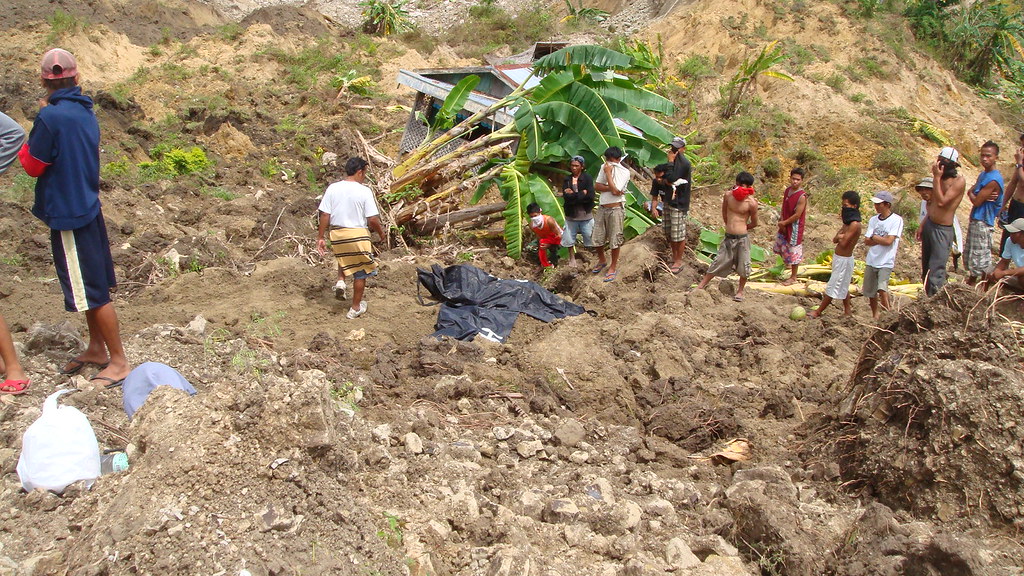
Floods along the Nepal-Tibet border have killed at least 270 people, with search efforts ongoing for hundreds more missing. The disaster, which struck on August 26, has left families desperate, gathering at hospitals in Kathmandu to scan lists and speak with officials. Subash Khatani, one such relative, searched for his brother Ram Sharan Rasaili, among those unaccounted for in Rasuwa district.
Authorities report the death toll has risen steadily, with initial figures of 180 later surpassed. Rescue teams are combing through flooded areas and landslides, though access remains difficult. The International Centre for Integrated Mountain Development (ICIMOD) warned of a potential second wave if debris blocks rivers, creating natural dams.
The cause of the disaster remains under investigation. While some initially blamed landslides or glacial lake outburst floods, experts now suggest heavy rainfall and saturated ground led to sudden flooding. Activists and scientists stress the region’s vulnerability to extreme weather, highlighting the need for better disaster preparedness.
The humanitarian crisis continues, with thousands displaced and infrastructure damaged. Relief efforts are underway, but the scale of the disaster underscores the region’s fragility in the face of climate-related events.