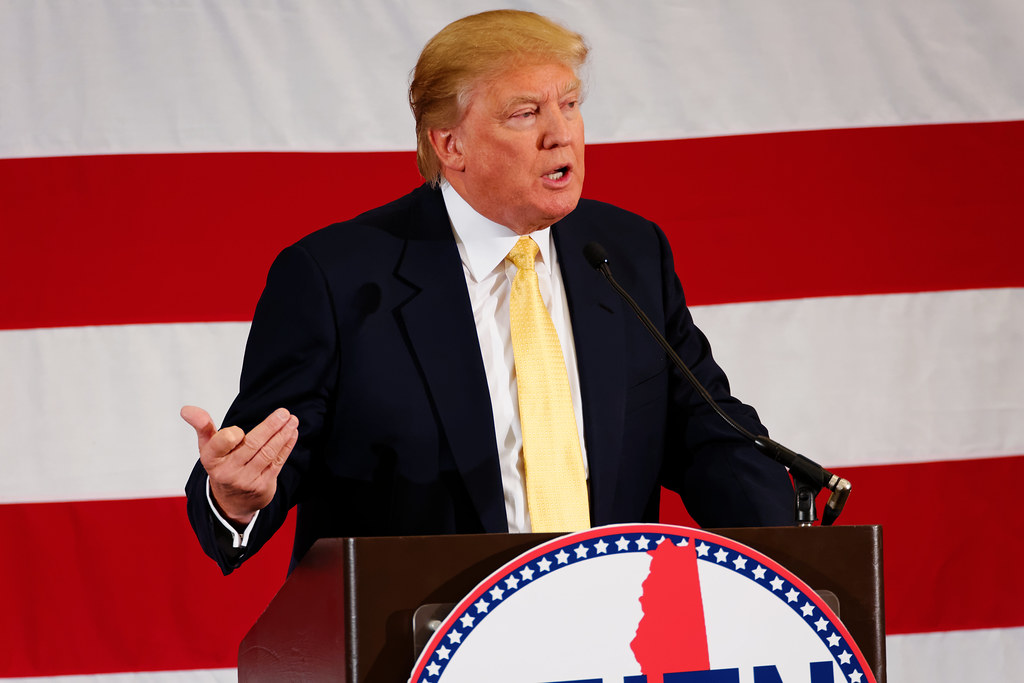
US and Iran tensions have escalated over control of the Strait of Hormuz, a critical waterway for global oil trade. US President Donald Trump claimed Washington has “total control” of the strait, but Iran has rejected the assertion, insisting the passage remains closed until the US meets its demands. The dispute has raised concerns among investors, with shipping traffic through the strait hitting a near three-month low.
The situation has heightened fears of disruption in energy supplies, as the strait is a key route for about 20% of the world’s oil. Iran’s new head of the Supreme National Security Council, Mohsen Rezaie, warned that the US must change its behavior before the waterway reopens. Meanwhile, Trump’s comments have drawn criticism, with some analysts questioning the feasibility of US claims over such a strategic location.
The ongoing standoff reflects broader geopolitical tensions between the two nations. With no immediate resolution in sight, the situation continues to affect global markets and regional stability. The outcome of these negotiations will likely shape the future of maritime trade and international relations in the region.