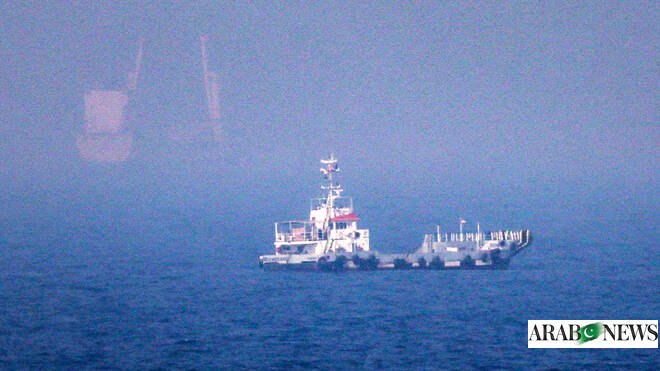
A QatarEnergy-controlled liquefied natural gas tanker has exited the Strait of Hormuz, marking the first departure of such a vessel since July 11, according to ship-tracking data. The Al-Areesh tanker, which loaded its cargo at Qatar’s Ras Laffan terminal between July 4 and 6, left the waterway overnight on July 29, as reported by analytics firms Kpler and LSEG. This movement comes amid ongoing tensions affecting maritime traffic through the strategic strait.
The Strait of Hormuz remains a focal point of regional concerns, with Iran’s Islamic Revolutionary Guard Corps (IRGC) stating that the waterway cannot be reopened while the United States continues its threats and interference in regional maritime activities. The IRGC’s remarks highlight the ongoing geopolitical tensions impacting the flow of energy resources through the area.
Meanwhile, uncertainty over oil supplies via Hormuz has prompted Asian countries to seek alternative sources, such as Canada’s TMX crude oil. Japan, for example, has turned to Canadian crude as a response to the supply disruptions. These shifts underscore the growing impact of the strait’s instability on global energy markets.
Iran has also rejected Oman’s proposal to share control of the Strait of Hormuz, calling the plan "unrealistic." This stance reflects the complex dynamics at play in managing the region’s critical maritime chokepoint.