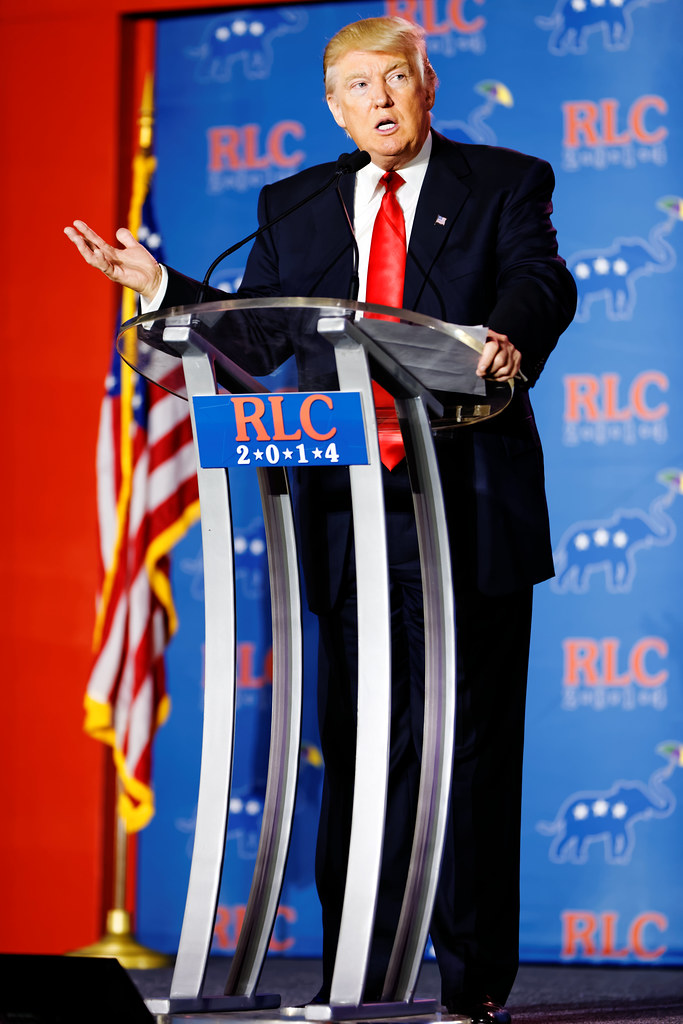
The U.S. President, Donald Trump, has dismissed calls from industry leaders to regulate the rapid development of artificial intelligence, insisting that the technology should continue to advance without government interference. Despite growing concerns from tech experts about the potential risks of AI, Trump has remained defiant, arguing that such measures are unnecessary and could hinder innovation.
Industry leaders have warned that the unchecked growth of AI could lead to significant societal and economic disruptions, urging the government to implement safeguards. However, Trump has rejected these calls, claiming that the current administration is not in favor of imposing restrictions. His stance aligns with his broader approach to technology and regulation, emphasizing minimal government oversight.
Meanwhile, the U.S. Congress remains gridlocked, making it difficult to pass meaningful legislation on AI regulation. This political impasse has left many experts frustrated, as they believe the lack of action could have long-term consequences. Trump’s continued resistance to regulation highlights the ongoing divide between the administration and the tech sector.
The debate over AI regulation continues to intensify, with growing pressure on policymakers to address the challenges posed by rapid technological advancement. As the situation evolves, the role of the executive branch in shaping the future of AI will remain a key point of contention.