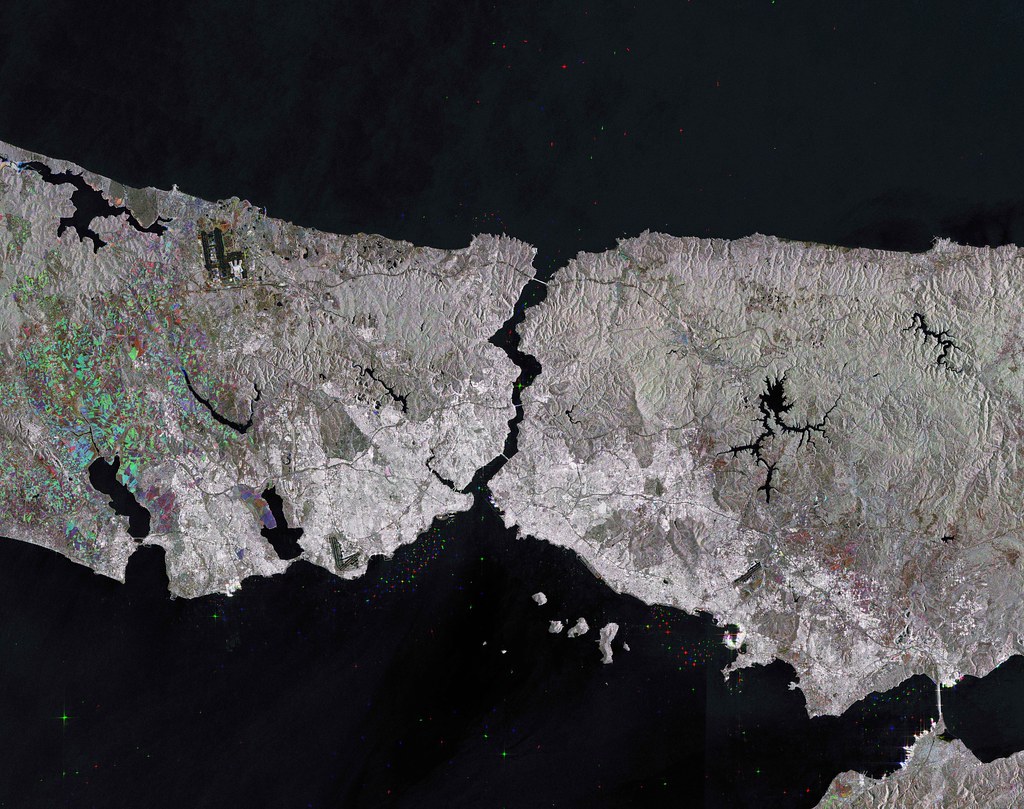
The US military has intensified its presence in the Strait of Hormuz, maintaining a naval blockade as Iran claims to have gained decisive control over the strategic waterway. This development comes amid escalating tensions between the two nations, with the US aiming to pressure Iran into reopening the strait for unrestricted oil exports.
Iran’s Revolutionary Guard has announced its firm grip on the region, asserting its ability to manage the flow of oil through the strait. This claim follows a six-month period of conflict, during which Washington has shifted its objectives, focusing more on economic pressure than direct military confrontation.
Meanwhile, Iranian crude oil exports have dropped significantly, with only about 260,000 barrels per day loaded for export in August. The Trump administration has increasingly relied on naval blockades and financial sanctions to force Tehran into negotiations over the strait’s access.
The situation has further complicated by the US-Venezuela oil deal, which aims to secure additional oil supplies amid disruptions in the region. This move highlights the growing economic stakes tied to the control of the Hormuz Strait.