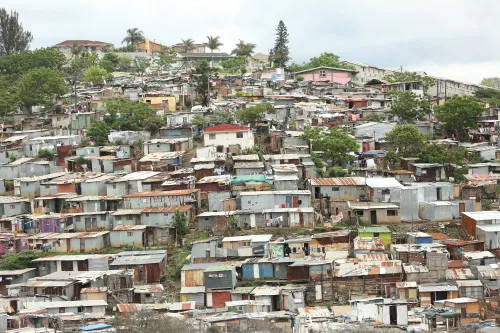
Winterveldt, a settlement in South Africa, exemplifies the country's persistent spatial divide and the challenges of poverty, according to a recent analysis (iol.co.za). The study focuses on how geographic segregation contributes to economic inequality and limits access to essential services. Researchers highlight that Winterveldt's location and infrastructure have historically restricted opportunities for its residents, reinforcing cycles of poverty that have lasted for generations.
The report suggests that innovative urban planning and policy interventions could help address these structural inequalities. By improving access to education, healthcare, and employment, the settlement could become a model for sustainable development. However, experts note that long-standing systemic issues require coordinated efforts from local authorities and national policymakers.
The findings underscore the broader implications for South Africa's socio-economic landscape. Addressing spatial divides is seen as crucial for achieving equitable growth and reducing disparities. While the study offers hope through potential solutions, it also emphasizes the urgency of action to prevent further marginalization of communities like Winterveldt.