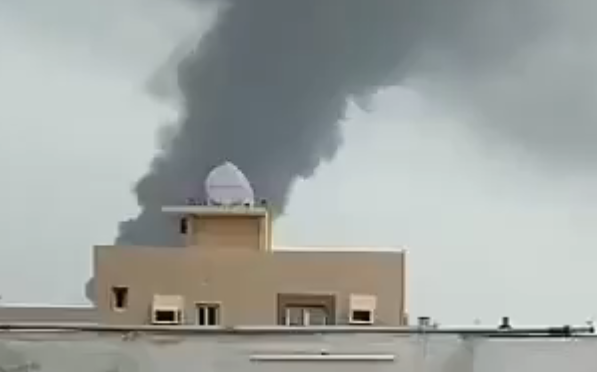
Saudi Arabia, Jordan, and Iraq reported drone attacks on Monday, two days after the United States abruptly suspended a two-week campaign of air strikes against Iran, as Tehran appeared to put President Donald Trump’s latest strategic U-turn to the test (peopledaily.Digital). The attacks, which targeted petroleum facilities in Saudi Arabia and other regional sites, were attributed to Iran-backed groups, with the Houthis claiming responsibility for strikes on Saudi Arabia’s Abqaiq oil processing facility. Officials in the region confirmed that drones were shot down, though the exact source of the attacks remained unclear.
The pause in U.S. Strikes followed concerns over dwindling munitions and a potential shift in regional dynamics. Meanwhile, oil prices dipped to a one-week low as the temporary ceasefire raised hopes for a diplomatic resolution. In the Philippines, President Ferdinand Marcos Jr. Announced a P58 billion fund aimed at mitigating the effects of the Middle East conflict, highlighting the broader economic impact of the ongoing tensions.
As the situation remains fluid, the international community watches closely for signs of de-escalation or further escalation. The attacks and subsequent ceasefire underscore the complex interplay of military, political, and economic factors in the region.