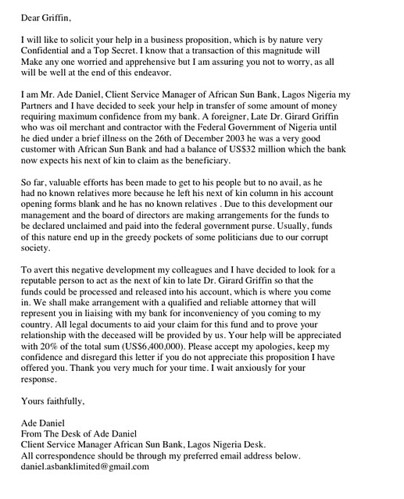
The Economic and Financial Crimes Commission (EFCC) has intensified its efforts to recover stolen capital and curb illicit financial flows in Nigeria. Recent operations have focused on tracing funds that have been siphoned through complex financial networks, often involving cryptocurrency and offshore accounts. The commission has introduced a 72-hour freeze on suspicious transactions, aiming to prevent money from disappearing before investigations can take hold.
This new strategy comes as part of a broader recovery drive, with EFCC officials reporting progress in repatriating funds that had been illegally transferred abroad. The commission is working closely with international financial institutions to track and intercept illicit transfers. Analysts note that the initiative reflects growing pressure on authorities to address corruption and protect the country’s economic stability.
The campaign has also prompted calls for stronger legal frameworks to hold individuals accountable for financial crimes. While the EFCC has made strides in recovering assets, challenges remain in ensuring transparency and preventing future illicit transfers. The ongoing efforts highlight the commission’s commitment to restoring public trust in financial systems.