Vice President JD Vance has stated that keeping oil and gasoline prices low for Americans is now the top U.S. Priority in the conflict with Iran, according to reports. This marks a shift from previous U.S. Messaging, which emphasized preventing Iran from acquiring nuclear weapons. The new focus reflects growing domestic pressure on the administration to address rising fuel costs.
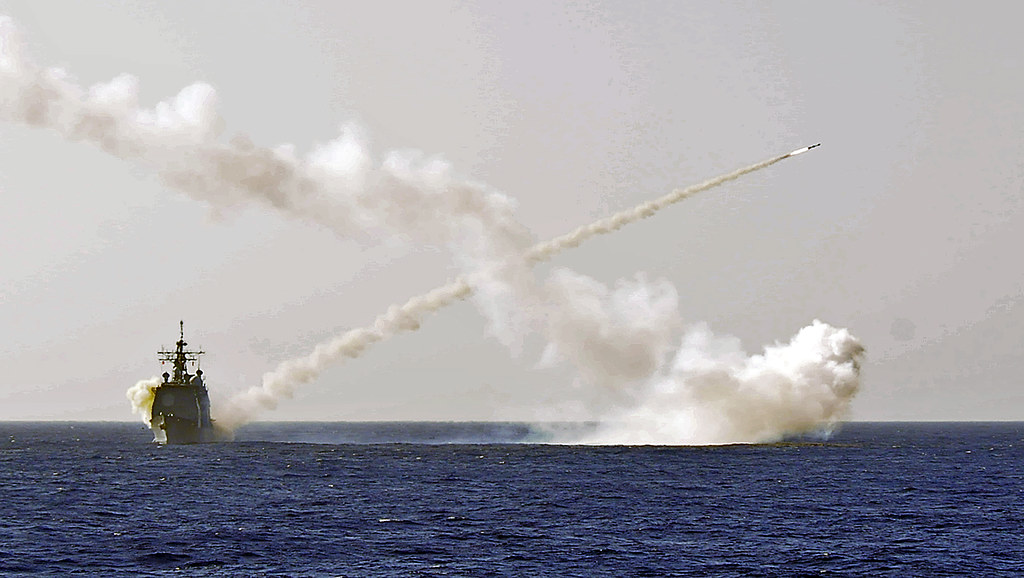
The U.S. Has also threatened to maintain a naval blockade of Iran indefinitely, escalating economic pressure on Tehran. This move comes as oil prices remain volatile, with some analysts linking the situation to geopolitical tensions. The blockade aims to restrict Iran’s access to critical shipping routes, including the Strait of Hormuz, a key artery for global oil supplies.
Iran has rejected U.S. Claims of control over the Strait of Hormuz, asserting that the waterway remains under its sovereignty. The dispute has intensified diplomatic tensions, with some European and Middle Eastern nations expressing concerns over the potential impact on regional stability.
Norway’s foreign minister has criticized the U.S. Approach, suggesting that the conflict has not achieved its intended goals and may have strengthened hardline factions in Tehran. The situation continues to evolve, with both sides adopting increasingly assertive postures.